
Dentures – Chaska, MN
Eat, Smile, and Speak
with Confidence Again
Do you miss looking in the mirror and seeing someone who has a beautiful smile full of healthy teeth? According to the American College of Prosthodontists, over 120 million Americans are missing at least one tooth, but that doesn’t mean you have to live the rest of your life with a gap in your smile. If you’re missing several or all of your teeth on an arch, you could likely benefit from full or partial dentures in Chaska. With this customized restorative solution, you can regain the function and look of your smile to boost your confidence and help you get the most out of your daily life.
Why Choose White Oak Dental for Dentures?
- Comfortable and Precise Design
- Dentist with 19 Years of Experience
- We Accept Dental Insurance
Who’s a Good Candidate for Dentures?

Dentures have prevailed for thousands of years as a reliable way to replace missing teeth because of how flexible and effective they are. Today’s modern dentures are even more adaptable, making them a great option for just about anyone—no matter how many teeth you’re missing. Still, the best way to know if you’re a good dentures candidate is to meet with our team for a personalized consultation. Read more below to see what our team looks for in excellent candidates for dentures.
Effects of Missing Teeth

While many people associate dentures with older adults, age is far from the only reason for tooth loss. Injuries, genetics, gum disease, and untreated decay can affect patients at any stage of life. No matter the cause, missing teeth often lead to:
- Difficulty Chewing: Eating becomes harder, which may impact your nutrition.
- Speech Changes: Missing teeth can make certain words harder to pronounce clearly.
- Facial Sagging: Without tooth support, cheeks and lips can appear sunken or aged.
- Lower Self-Esteem: Many patients feel less confident or become more socially withdrawn.
Replacing missing teeth as soon as possible helps keep your oral health, your diet, and your smile looking and feeling its best.
What Are the Qualities of a Great Candidate for Dentures?

When you visit us for a denture consultation with Dr. Korte, she’ll examine your mouth and evaluate whether dentures are your ideal solution. A great dentures candidate typically has:
- Multiple Missing Teeth: Dentures are great for replacing several teeth at once.
- Good Oral Health: Healthy gums help keep your appliance secure and comfortable.
- Adequate Jawbone Density: A strong jawbone means a powerful prosthetic. This is especially important for implant dentures, which rely on bone for support.
- A Commitment to Oral Hygiene: Daily cleaning and proper care extend the lifespan of your appliance.
- Realistic Expectations: Adjusting to a new prosthetic takes time and patience, so great candidates need to be willing to put in the effort.
At our Chaska dental office, we offer partial dentures, full dentures, and implant-supported dentures, allowing us to match you with the option that best fits your needs and goals.
Alternative Tooth-Replacement Options
After your consultation, Dr. Korte may determine that dentures aren’t your only solution—or even the best one for your long-term goals. Some patients may benefit more from a different treatment. For example:
- A Dental Bridge: This replaces one or several missing teeth in a row using crowns secured to neighboring teeth. If you have some healthy teeth left, a bridge can be a more low-maintenance-high-stability option for your smile.
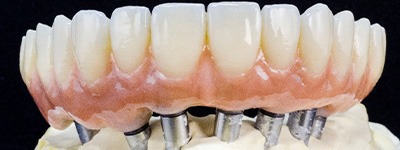
- Dental Implants: The gold standard of tooth restoration. This replaces the entire tooth from root to crown and offers unmatched stability, comfort, and longevity. Implants can also support full or partial dentures, creating a more secure and natural-feeling restoration.
No matter your situation, we’ll walk you through every option available and help you choose the treatment that gives you the strongest, healthiest smile that you can be proud of.
Types of Dentures
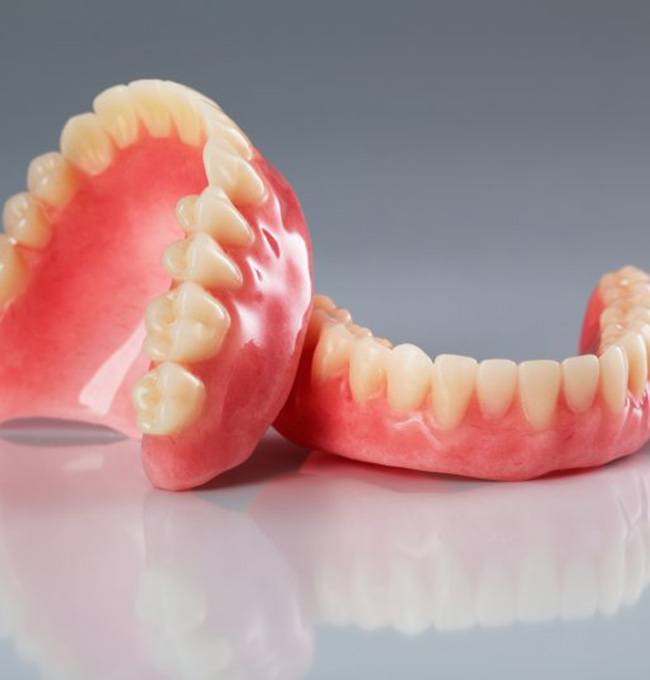
After evaluating your oral health during your consultation at our Chaska office, Dr. Korte may recommend one of the following appliances.
Partial Dentures
Partial dentures can replace several missing teeth in an arch. They utilize an acrylic, gum-colored, or metal base to keep the customized replacement teeth in their proper positions.
Full Dentures
Full dentures are used to replace an entire arch of missing teeth. They’re crafted from a gum-colored acrylic base specially designed to utilize natural suction to stay securely in place while you eat and speak. Atop the base are customized, natural-looking plastic or ceramic replacement teeth that will help preserve your full facial structure and prevent drooping cheeks.
Implant Dentures
Securing your dentures with dental implants placed directly in the jawbone can result in maximum chewing power, the most stable hold possible, and the appliances lasting much longer before needing replacement. This can help you enjoy the diverse and healthy diet the human body needs to stay healthy and may be a great option if you are not pleased with your traditional dentures.
How Dentures are Made
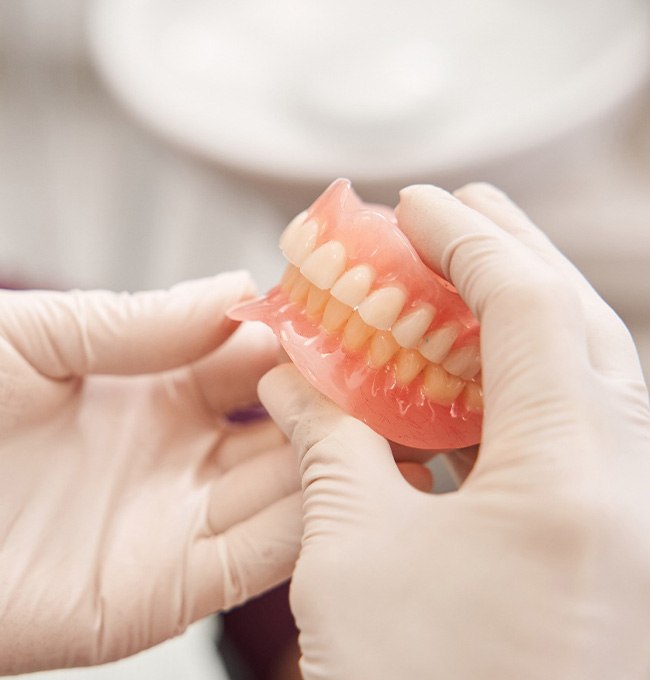
You might be surprised to learn that it can take multiple visits over a few weeks to be fitted with dentures, but there’s a good reason for the wait. They are carefully customized at each step of their design and creation to look and feel as lifelike as possible to boost your smile’s appearance and functionality.
Understanding more about the process can help you appreciate your restoration that much more when it arrives. Continue reading to learn more about how dentures are made, and please feel free to contact us for additional information!
What are Dentures Made Of?
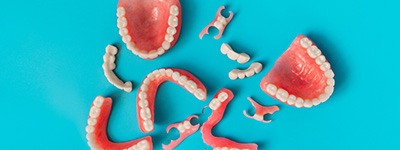
Dentures consist of two main parts: the base and the teeth, which are outlined in more detail below.
- Denture base. This is the foundation of your prosthetics and provides their shape and structure. It can be made from various options, including nylon, porcelain, or resin, though acrylic is the standard choice. Partial dentures usually also include metal clips that anchor them to healthy teeth in your mouth to keep them in place.
- Pontics (artificial teeth). The teeth are typically made from resilient, tooth-colored materials like resin and ceramic. Porcelain is a popular option, but it can be hard on natural enamel, so it’s not always recommended for partial sets.
The Denture Creation Process

It might vary slightly based on your unique circumstances, but usually, creating these prosthetics involves the following step-by-step process:
- Step 1: Korte will make digital impressions of your mouth to create an accurate model of your mouth to help ensure your new teeth fit like a glove.
- Step 2: This information is sent to a special dental laboratory, where a technician begins by creating a wax gumline on the cast of your teeth.
- Step 3: Artificial teeth made from resin are set into the cast using a device called an articulator, and the wax gums are carved and shaped to resemble your natural tissues.
- Step 4: This wax version is sent to our office so we can schedule you for a fitting and note any changes or adjustments required before sending them back to the lab to be finalized.
- Step 5: At the lab, the wax dentures are placed in a flask, and plaster is added to maintain their shape. Then, the container is placed in hot water to melt the wax portions.
- Step 6: Holes are made in the teeth so they can be attached and a liquid separator is added to the plaster to prevent acrylic from clinging to it. Then, acrylic is injected into the flask to replace the now-melted wax.
- Step 7: The plaster is removed with special instruments to reveal the dentures, which are then placed in an ultrasonic bath to be thoroughly cleaned.
- Step 8: Any excess material is trimmed away and the teeth are polished to perfection.
- Step 9: When the finished dentures arrive, we’ll schedule you for a final fitting before sending you home with a beautifully restored smile!
Adjusting to Your New Dentures

It might take about a month for your tongue and the other supporting tissues in your mouth to fully acclimate to your new dentures. Some patients experience aches, struggle to eat solid foods, or develop temporary changes to their speech patterns during this transitional period.
You might want to stick to soft foods, such as scrambled eggs, yogurt, applesauce, and mashed potatoes, until your connective tissues become more desensitized. You can also practice reading out loud to yourself at home to rehearse challenging sounds and words until you feel more confident in your enunciation.
The Benefits of Dentures

Tooth loss can make once-basic tasks, like eating, speaking, and smiling confidently, much more challenging. Fortunately, dentures are a versatile solution that can be used to improve your grin’s appearance and functionality regardless of how many teeth went missing.
Dr. Korte is happy to provide a customized restoration made to look and feel as lifelike as possible. Continue reading to learn more about several of the advantages of rebuilding your arches with dentures!
Psychological Benefits

You’re not alone if you’re feeling self-conscious about your current dental condition. Gaps in your grin can, unfortunately, make you feel self-conscious about the changes to your appearance and abilities. Some patients even avoid spending time with others because they’re overly concerned about being judged.
Replacing your missing teeth with one-of-a-kind dentures can therefore reduce anxiety, boost your confidence, and enhance your daily quality of life.
Clearer Enunciation

Your teeth play an essential role in your ability to speak because you press your tongue against them in specific ways to form different sounds. When one or more are lost, you might struggle to enunciate certain words, which can make it difficult to communicate clearly.
Thankfully, dentures act as artificial teeth so you can speak more easily, but it might take about a month for your tongue and the other supporting muscles in your mouth to fully acclimate to their presence. You can help ease this transitional period by practicing reading out loud to yourself at home so you can target challenging words until you feel more confident in your enunciation.
Improves Nutrition

Missing teeth can also affect your dietary decisions, which can potentially detract from your general health. For example, many wholesome foods full of nutrients, such as raw fruits and vegetables, are difficult to bite or chew without two complete arches. This can potentially contribute to malnutrition if you try to stick to softer foods that are easier to eat.
Furthermore, you might swallow overly large pieces of food, which are difficult for the body to digest, and develop gastrointestinal issues. Your restoration can help you bite and chew more effectively so you can enjoy meals that support your oral and overall well-being.
Preserves Oral Health
Tooth loss can also result in additional concerns, like dental drifting, because any teeth remaining are prone to shifting out of alignment to fill in the spaces left behind. This can wear down your enamel unevenly or prematurely, increasing the risk of cavities, injuries, and even TMJ (temporomandibular joint) disorders.
Wearing dentures ensures that everything remains in its rightful place to preserve your dental health.
Expands Opportunities

Did you know that, according to one 2019 study, the probability of being employed has been negatively associated with having oral issues? The quality of your grin is one of the first things others notice about you, and if you’re missing teeth, you’re less likely to make a favorable impression.
Rebuilding your arches with dentures helps you look and feel like the most attractive and self-assured version of yourself. This, in turn, can contribute to better professional achievements, more meaningful relationships, and an engaging social calendar.
Dentures FAQs
Are you still curious about dentures? At White Oak Dental, we want you to have all the information you need to make a confident investment in your smile. That’s why we’ve included the answers to some of the most frequently asked questions about dentures. Keep reading to learn more about how we can restore your missing teeth with custom-made solutions.
How long will my dentures last?
With proper care, your dentures should last between 7 and 10 years (or possibly more), maintaining adequate fit and appearance. Just like your natural smile, your dentures get put through regular wear and tear from eating, speaking, and laughing throughout the day. The prosthetic will eventually lose it’s look and comfortable fit. That’s why we recommend visiting our office at least twice a year so we can keep an eye on your denture, evaluate the health of the supporting tissues, and make any adjustments when necessary.
How should I care for my dentures?
Maintaining your dentures daily will help you enjoy them for years to come. The most important step to keep in mind is to take your dentures out when you sleep; this gives your gums the rest they need. Store them in denture solution or water to shake loose any plaque and debris that has collected during the day. This makes it easy to gently scrub away plaque and bacteria on your dentures with a soft-bristled toothbrush. Your dentures should be cleaned daily, and it’s also vital to brush your gums to keep your tissues healthy.
How much will my dentures cost?
The cost of your dentures will depend on a variety of factors. Because no two smiles are the same, it’s difficult to provide you with a precise estimate before examining your smile first. During a consultation, Dr. Korte will carefully examine your mouth and the overall condition of your oral health before developing a personalized treatment plan that includes cost. The most significant factor that influences the price of your dentures is whether or not any treatment needs to be completed on the remaining support teeth.
What is life with dentures like?
Once you have your dentures, there is a slight adjustment period when it comes to speaking, chewing, and smiling. If you struggle speaking at first, try reading books out loud, keying in on the words you’re having trouble with. After getting used to your new dentures, you’ll be able to enjoy more foods, speak capably and enjoy a more beautiful, youthful smile. What’s even better is that you can flash your attractive, new teeth, in any social or professional setting with confidence.
Can I try to adjust to dentures on my own?
If your dentures begin to feel uncomfortable, or you notice a problem like a crack, contact our office right away. Dr. Korte can often make quick adjustments to remedy the issue. However, you should avoid making any modifications to your denture without our help—even one minor change could negatively impact the effectiveness of your treatment.